
Do you ever have something break? Something not fit? Or do you find yourself looking at a perfectly functional product thinking "I could make that better" ?
With a few measurements, some beginner 3D modeling skills, and a 3D printer, you can make solutions that don’t exist or improve the ones that do. But not every problem deserves a custom plastic part.
The first question I ask: What's wrong with the solution I can already buy?
If the answer is nothing, you probably don't need to design a new one. But maybe you want to practice your CAD skills, enjoy creating things instead of just buying them, or simply feel like over-engineering something for no particularly good reason (I can relate).
Sometimes the project is more about the process than the finished part.
Good Reasons to Design Your Own
You need something custom.
- It needs to fit an unusual shape or space.
- Nothing off the shelf does exactly what you want.
You need to replace or improve something.
- The original part is broken, unavailable, or overpriced.
- You can improve its fit, function, or design.
You want to experiment.
- Test a new idea without spending much.
- Refine dimensions and features through quick iterations.
Reasons to Think Twice
Failure could be dangerous.
- A broken part could cause significant damage.
- Personal injury could occur if the part fails.
- A broken desk organizer is annoying. A failed ceiling mount could hurt someone.
The material isn't suitable or your printer can't print the one that is.
- Heavy loads, constant stress, high heat, or harsh chemicals.
- Food safety, reliable sealing, or pressure containment.
- Wood, metal, or traditional hardware may work better.
Printing isn't the most practical option.
- An existing solution might get the job done much faster.
- Sometimes solving the problem quickly is more important than experimenting.
- The part is too large or difficult to print reliably.
Example Projects
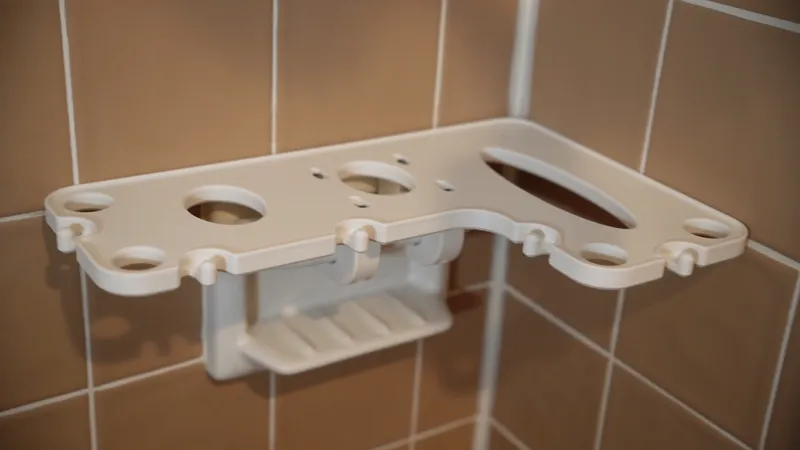
A Custom Shower Shelf
A custom mounting shape was the important part, and it was something I could readily design and print.
After trying several shower organizers that didn't work quite right, I designed a shelf that mounts to an existing shower handhold. The problem wasn't that shelves didn't exist. It was that none of them fit my particular situation. That's where designing your own part really shines.
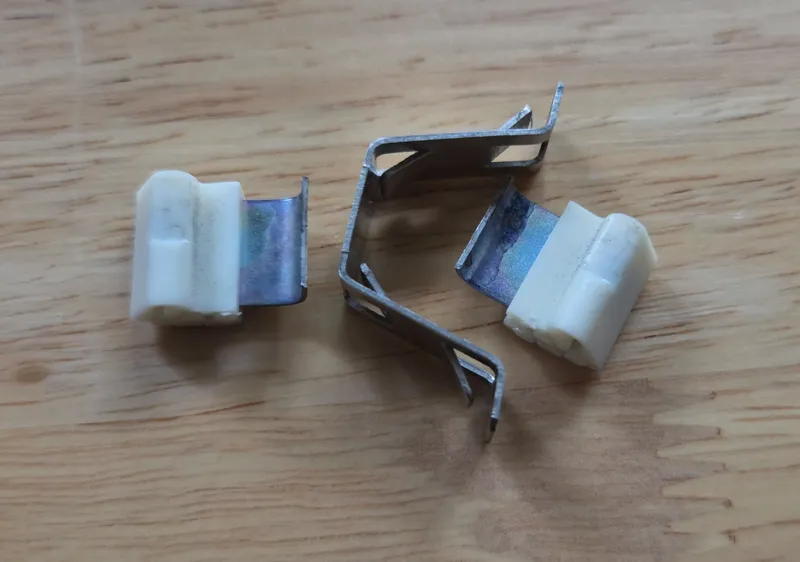
Maytag Dryer Latch
My latch that holds my Maytag dryer door closed broke. The part looked simple to create but I was busy so I went online to find a replacement. The replacement looked simple, so I assumed it would cost a few dollars. It cost $32, which was expensive enough motivation for me to spend some time making it instead.
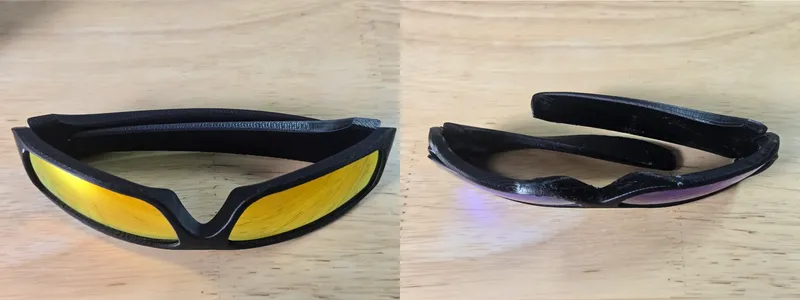
3D Printed Sunglasses in the Heat
Not all materials are created equal.
Designing custom sunglasses is fun, but leaving them in a hot car introduces another problem: plastic doesn't always appreciate heat. I tested different printing materials to see how well they held up. Some performed warped, some did not. A good design still needs the right material.
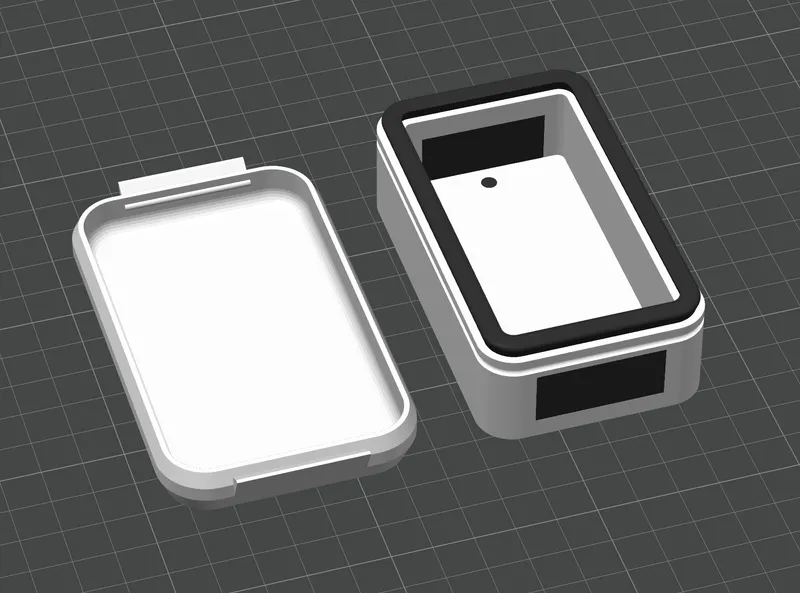
Waterproof Can Be Difficult
3D printing can work for splash resistance, but true waterproofing is much harder. Layer lines, fit, and material choice all matter.
In this project, I designed a box with a flexible seal and got it only got mostly waterproof.
Final Thoughts
Designing your own parts is one of the most useful skills you can learn with a 3D printer. It turns everyday annoyances into opportunities to make something better. And remember, not everything needs to be printed. Combining printed parts with wood, metal, acrylic, or standard hardware can often produce a better solution.
The goal isn't to find more things to 3D print. It's to recognize problems worth designing a solution for.